Daily Tour
1 person
Hindi, Hindi+English, Multi Language
Jaipur—also called The City of Victory—was conceived by Maharaja Sawai Jai Singh II in 1727 AD. He wasn’t just a ruler; he was a strategist, astronomer, urban planner, and a forward-thinking leader. The city didn’t grow randomly—he designed it with intention and intellect.
Instead of allowing Jaipur to evolve naturally over time like most old cities, Jai Singh envisioned a new model of urban architecture. He laid out Jaipur in nine perfectly measured rectangular zones, symbolizing the nine cosmic divisions of the universe according to traditional beliefs.
Many travelers from the 19th century admired Jaipur’s beauty and planning. Louis Rousselet described it as “a town built with unusual magnificence,” while Bishop Heber noted its resemblance to the grand fortifications of the Kremlin in Moscow.
______________________________________
A City of Science and Planning
Sawai Jai Singh’s passion for astronomy can still be seen today through the observatories he built across India—in Jaipur, Delhi, Varanasi, Mathura, and Ujjain. Even after hundreds of years, Jaipur remains one of the rare examples of a fully planned pre-modern city.
______________________________________
The Birth of the Pink City
The city’s master layout was executed by Vidyadhar Bhattacharya, an accomplished architect, using the rules of Vastu Shastra, the ancient Indian science of construction. The result:
• nine city sectors
• straight, broad streets intersecting at right angles
• markets at street-level and residences/offices above
• protective walls and gateways encircling the original city
Interestingly, this planning style mirrors aspects of the ancient Indus Valley civilization—its design is said to naturally promote ventilation and cooling.
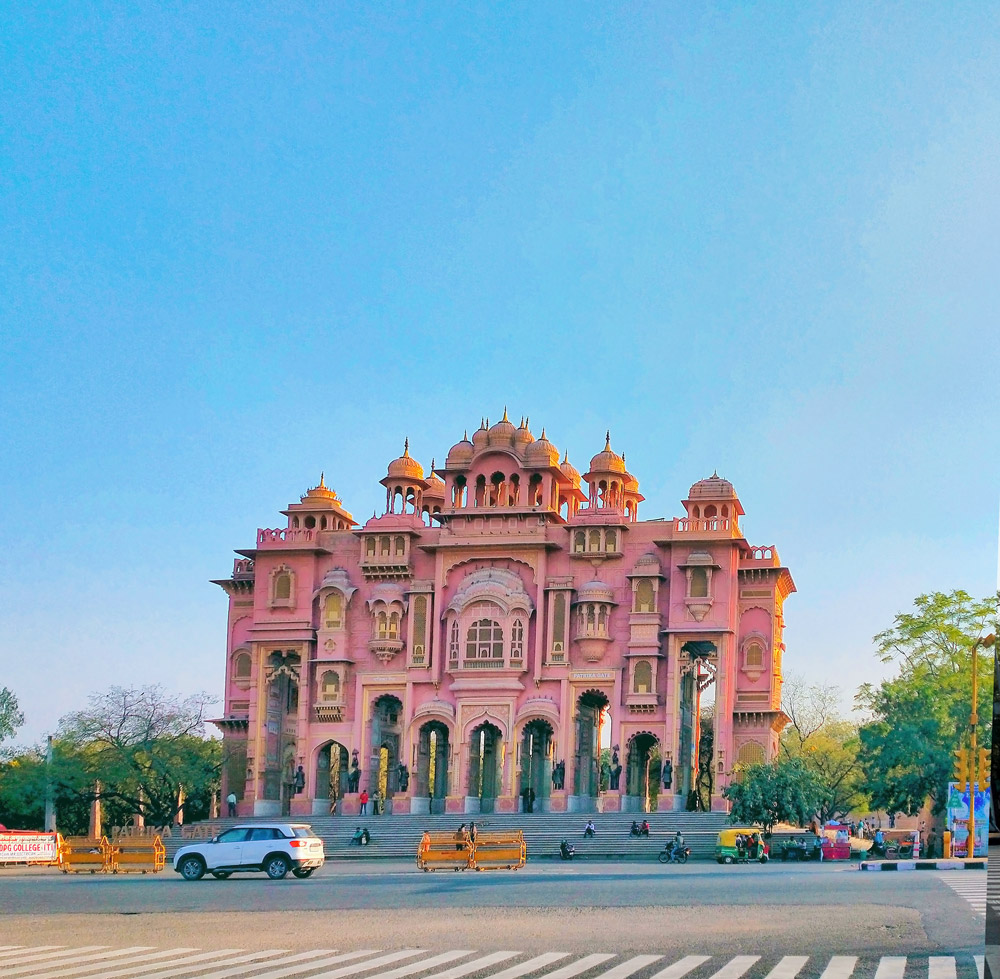
In 1876, Jaipur was painted terracotta-pink to welcome the Prince of Wales. The color made such an impression that the city kept it permanently—and today, Pink City has become one of Jaipur’s proudest identities.
______________________________________
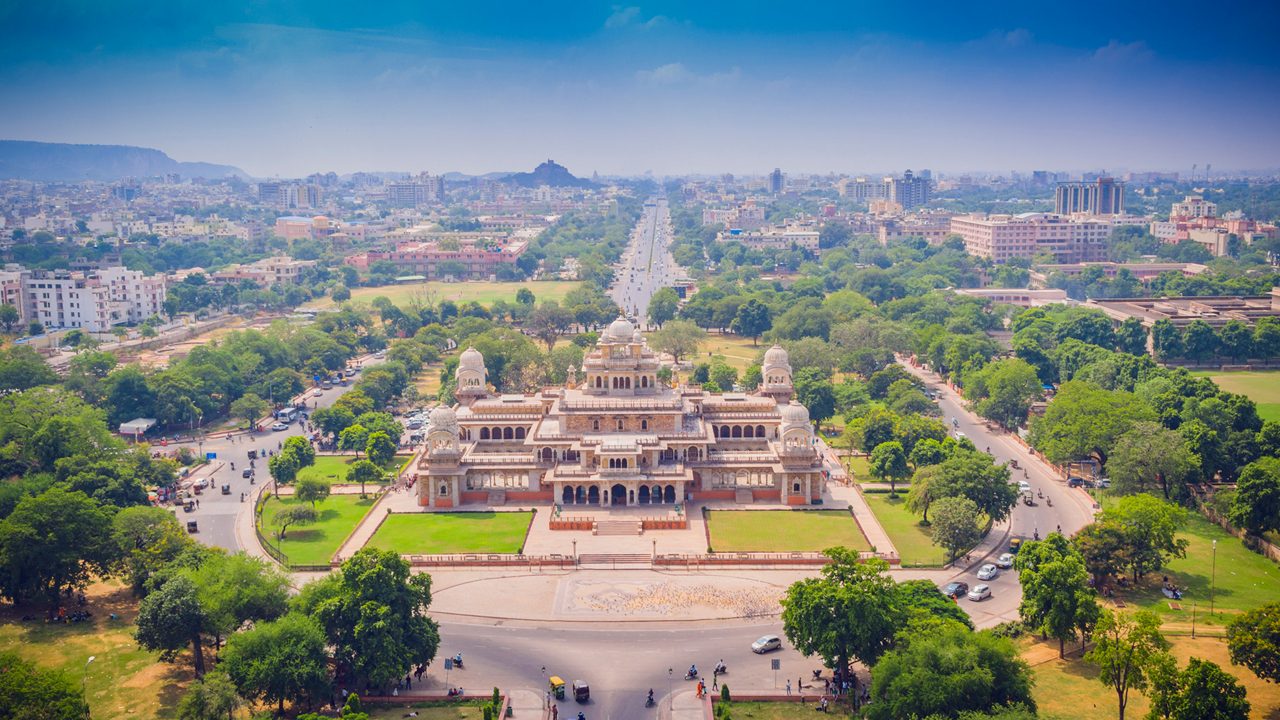
Jaipur Today – A Blend of Past and Present
Jaipur now acts as a welcoming doorway to Rajasthan. It has confidently stepped into modernity while preserving its cultural essence. Today, the city thrives with:
• bustling trade and commerce
• strong infrastructure
• heritage hotels alongside global hotel chains
• traditional bazaars next to air-conditioned shopping malls
• handcrafted textiles and jewellery beside international fashion brands
• old noble havelis sharing space with multiplex cinemas and fast-food chains
Jaipur is more than a tourist attraction—it’s a living blend of royal heritage and youthful energy, where history is honored but life moves forward with vibrancy and sophistication.
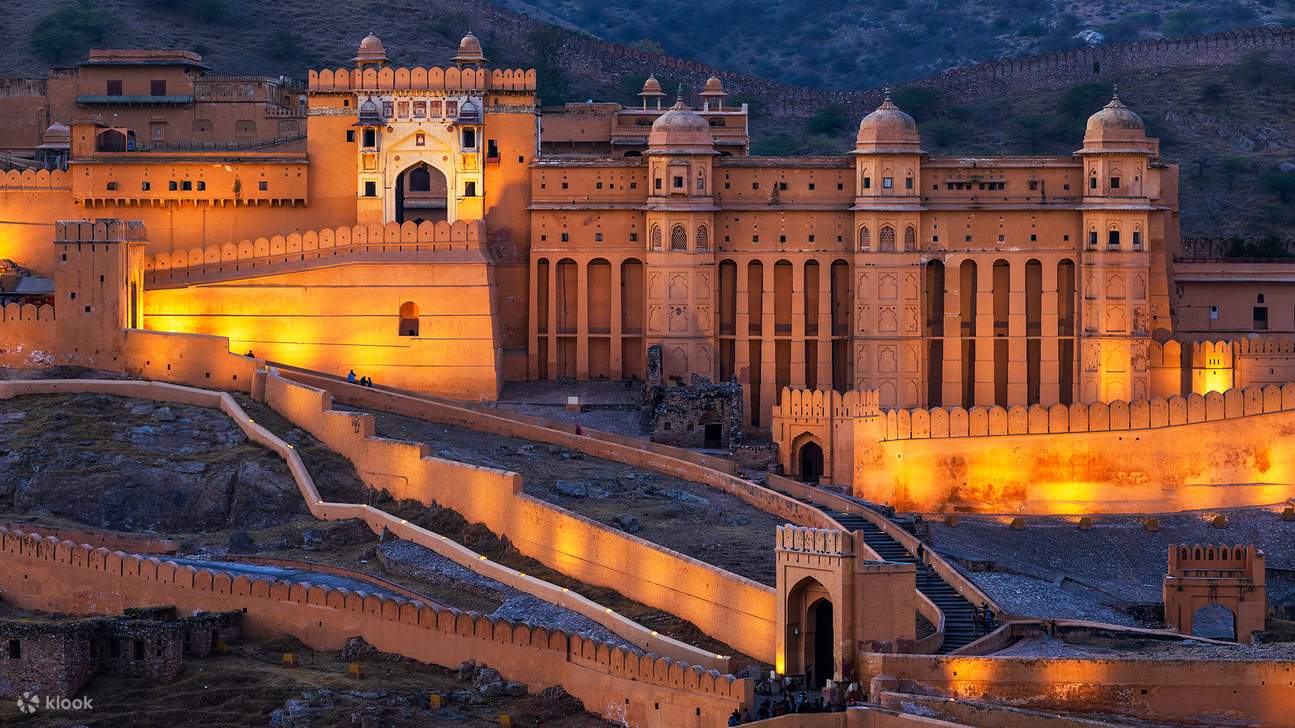
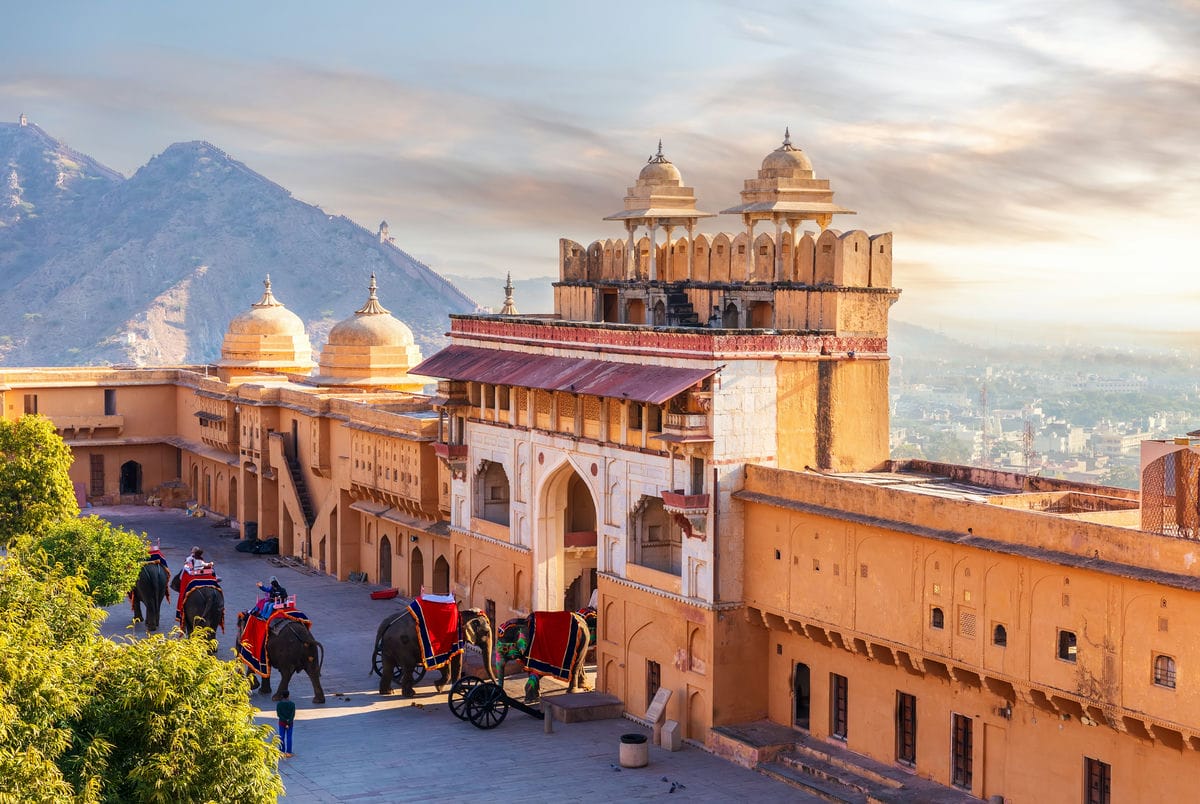
Begin your Jaipur adventure at Amber Fort, perched on a rugged hill. Walk through grand gateways, admire the glittering Sheesh Mahal, and soak in the calm views of Maota Lake. The fort’s atmosphere immediately transports you into the era of Rajput kings and queens.
Just a short drive away, this charming stepwell welcomes you with its hypnotic geometric stairways. It’s quiet, photogenic, and a lovely stop to appreciate ancient local engineering and design.
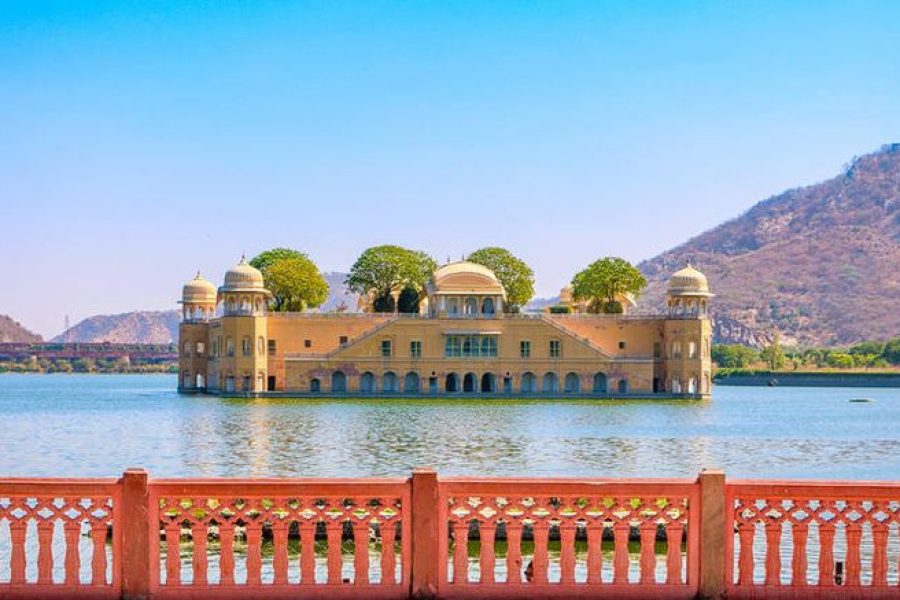
Continue to Jal Mahal — the elegant “Water Palace.” Standing mid-lake like a floating dream, it’s best enjoyed from the roadside promenade. The reflection of the palace on calm water is simply mesmerizing.
Head into the heart of Jaipur where City Palace waits with its royal courtyards and vibrant gateways. With part of it still serving as a royal residence, the palace offers a close look at regal costumes, arms, and artifacts of the Jaipur dynasty.
Right next door is Jantar Mantar — a fascinating collection of astronomical instruments built centuries ago. It’s a place where precision, science, and architecture meet in harmony.
Pause for a satisfying meal of local favourites: • Dal bati churma • Gatte ki sabzi • Laal Maas for meat lovers A simple but soulful introduction to Jaipur’s culinary traditions.
This iconic “Palace of Winds” is a postcard-perfect landmark. Its latticed windows and pink sandstone façade once allowed royal women to observe city life without being seen — a beautiful mix of culture and architecture.
Feel the lively rhythm of the city in its traditional bazaars. Here’s what Jaipur is famous for: • Colorful block-printed fabrics – Saganeri Print • Sparkling lac bangles • Traditional jewellery work • Fragrant spices It’s an ideal place to pick up authentic souvenirs and gifts.
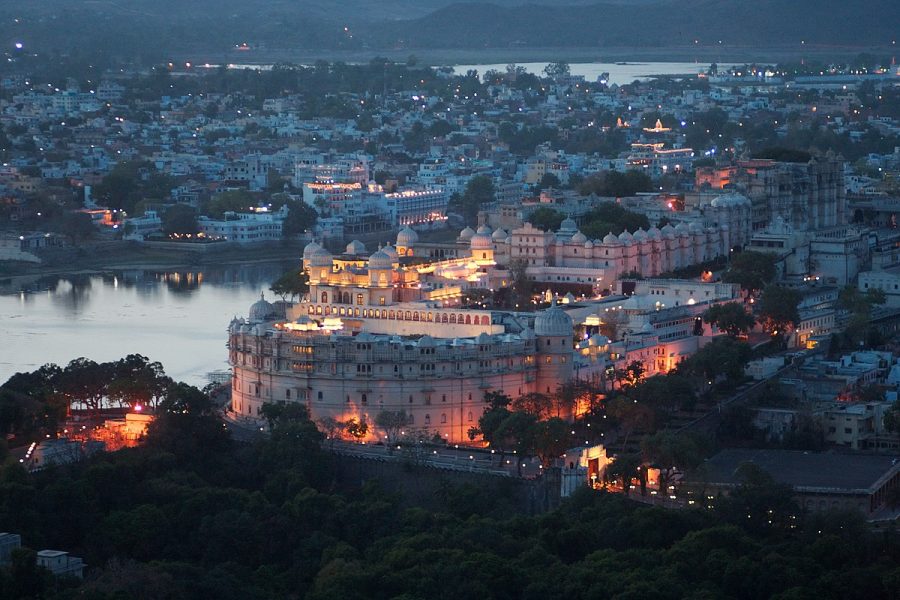
End your day with a golden view from Nahargarh Fort. As the sun dips, watch Jaipur glow beneath you — a breathtaking panorama and the perfect closing memory of your Pink City tour.

Member Since 2025